
Living With Autoimmune Pulmonary Alveolar Proteinosis: From Diagnosis to Treatment
If you are living with autoimmune pulmonary alveolar proteinosis, or aPAP, you already know how much this disease can change your day to day life. You might also know the other truth patients share over and over: the road to answers can feel long, confusing, and isolating.
In a recent PAP Alliance webinar, Kelsea Arford, founder of PAP Alliance and an aPAP patient, sat down with Dr. Ali Ataya, a pulmonary and critical care physician and rare disease expert at UF Health, to talk openly about the aPAP journey. They covered what diagnosis can look like, how treatment decisions are made, and what helps patients feel less alone while navigating care.
This post highlights the key takeaways, with the same spirit the webinar carried: human, compassionate, and practical.
The diagnosis journey can be long
Many aPAP patients spend months, and sometimes more than a year, looking for answers. Dr. Ataya shared that it is common for patients to go a year to a year and a half before an official diagnosis is made. Often, people are treated for more common conditions first, like pneumonia or asthma, especially when early symptoms are subtle.
Kelsea’s story reflected what many in the community have lived through. She went in for a routine checkup and learned her oxygen saturation was around 70%, which immediately triggered urgent testing. A CT scan showed ground glass opacities, and like many patients, she was initially told it could be COVID or inflammation. She went through misdiagnoses, uncertainty, and multiple specialists before the aPAP blood test confirmed the diagnosis about nine months later.
One of the hardest parts of this stage is that the symptoms can start small. You may feel tired, short of breath with exertion, or like your stamina is not what it used to be. Those symptoms are real, even when they are not dramatic, and they deserve attention.
Finding an aPAP specialist and getting diagnosed without unnecessary procedures
A big question patients ask is: how do I find someone who actually knows how to diagnose and treat aPAP?
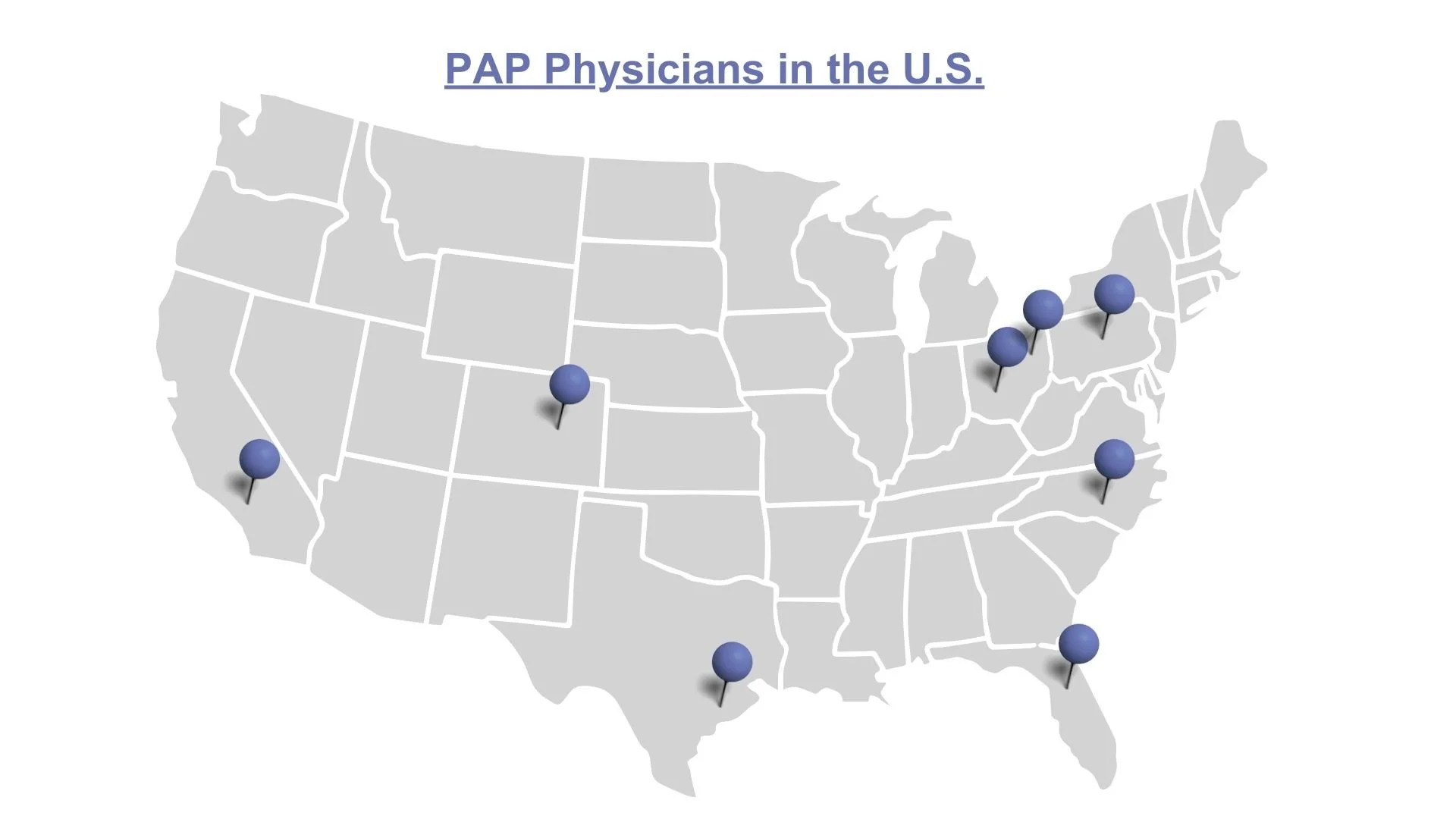
Dr. Ataya recommended starting with rare disease centers and aPAP-focused programs. Many patient foundations and disease organizations list centers with expertise, and those centers can help confirm the diagnosis, guide treatment, and connect you with research opportunities.

Diagnostic tools your team may use
Diagnosis is often based on a combination of:
High resolution CT imaging
aPAP can create haziness that may mimic infection. As disease progresses, the pattern can become more recognizable, sometimes described as “crazy paving.”Pulmonary function tests
These tests help measure how well your lungs move air and exchange oxygen. In aPAP, diffusion capacity, often called DLCO, may be low because surfactant buildup interferes with oxygen transfer.Bronchoscopy findings
Sometimes bronchoscopy shows characteristic proteinaceous material in the lungs that supports the diagnosis.Blood testing for GM-CSF autoantibodies
This is a key test for autoimmune PAP. Dr. Ataya explained that in aPAP, the body produces antibodies against GM-CSF, a protein needed for lung immune cells to clear surfactant. When that signaling is blocked, surfactant builds up and symptoms develop.
Kelsea emphasized something many patients appreciate hearing: it is worth asking about the blood test early. She chose not to pursue a surgical lung biopsy and credits access to antibody testing as a turning point in her diagnosis journey. Dr. Ataya echoed that the goal is to avoid biopsy when possible, and that awareness and access to testing have improved over time.
Treatment starts with a simple question: how sick is the patient right now?
Treatment decisions in aPAP depend heavily on severity. Dr. Ataya explained that a patient with mild symptoms will not be treated the same way as someone arriving in respiratory distress with high oxygen needs. This is not because anyone is dismissing mild disease. It is because each option comes with different burdens, risks, and expected benefits.
Oxygen support
If oxygen levels are low, supplemental oxygen can be essential. The hopeful part is that with effective treatment, some patients can reduce or even discontinue oxygen over time.
Whole lung lavage
Whole lung lavage, sometimes called a whole lung wash, has been the standard option for many patients for years. It can be life changing, but it is also a major procedure.
Kelsea described it honestly. She went into it thinking it would be a straightforward fix, and the reality was much harder. Her lavage involved large fluid volumes and long procedure times, one lung per day over two days. Recovery felt like being hit by a truck, with soreness from the breathing tube and the overall physical toll.
Dr. Ataya explained why many centers reserve lavage for more severe cases:
It is invasive, requiring ventilation, sedation, and ICU-level care.
To see meaningful benefit, there often needs to be enough surfactant burden to remove.
It can improve oxygenation and how patients feel, but it does not fix the underlying autoimmune process, which is why some patients need multiple lavages over time.
He also noted a practical challenge: not every hospital has the experience and resources to perform whole lung lavage safely and effectively which means patients may have to travel long distances to undergo the procedure
Inhaled GM-CSF therapies and research trials
Dr. Ataya discussed clinical trial programs that have evaluated inhaled therapies designed to address the autoimmune mechanism. He also described how difficult access can be when a treatment is off-label or not yet approved, especially in the United States.
Even when a therapy is available off-label, insurance may deny coverage due to lack of FDA approval. This is where experienced rare disease centers often have teams who can help with denials and appeals.
Early access programs
One topic that came up was Early Access Programs, often shortened to EAPs. Dr. Ataya described EAPs as a pathway for eligible patients to access a therapy outside of a traditional trial when the data are promising but approval is still pending. These programs are usually available only at selected centers, and patients can often locate information through clinical trial registries and by contacting expert sites.
Dr Ataya shared that Savara is currently running an Early Access Program. Patients can learn more about their EAP here.
Other therapies that may be considered
Dr. Ataya also mentioned other approaches that may be used in some cases, including:
immunomodulating therapy such as rituximab
statins and other metabolic approaches under investigation
lung transplantation for the most severe cases, particularly when advanced lung damage is present
Fatigue is real, and it is not always explained by oxygen levels
A patient asked a question many people quietly carry: “Even though I am improving, is it normal to still feel tired?”
Dr. Ataya validated fatigue as a real part of aPAP. Some patients feel exhausted even when oxygen levels look okay. aPAP is autoimmune, and fatigue can be part of that bigger picture.
He also shared a helpful timeline insight: inhaled GM-CSF therapies can take time. Improvements may be seen around 12 weeks, and benefits can continue to grow over longer periods as old surfactant is slowly cleared.
He offered two important reminders:
Give treatment time if you are improving.
Do not let aPAP become the only explanation for everything. Common issues like iron deficiency, vitamin D deficiency, thyroid problems, or infections can also drive fatigue and deserve evaluation.
Kelsea added something patients often find comforting: fatigue and brain fog are common, and you are not imagining it.
Coordinating care is overwhelming, so build a team and build a community
Another audience question asked how to manage the feeling of being overwhelmed by care coordination.
Both speakers returned to the same point: do not do this alone.
Dr. Ataya encouraged patients to find centers of excellence and connect with other patients, because rare diseases can feel “orphaned.” Even the most compassionate physicians do not live in the patient’s body. The lived experience of other aPAP patients can offer practical guidance, emotional relief, and real hope.
Kelsea shared her personal reason for building PAP Alliance: she felt isolated, her mental health suffered, and she wishes she had prioritized emotional support sooner. She talked about “finding your village,” and learning that there is a new normal, but that life can still be full, meaningful, and connected.
A key message here is that mental health support is not a side quest. Anxiety, grief, and even PTSD after major procedures can be part of the journey. Support groups, online communities, and counseling can be as important as medication plans.
Answers to common myths and questions
Does everyone eventually need a whole lung lavage?
No. Dr. Ataya shared that many patients may need one or two lavages over a lifetime, but some never need one. People can accumulate surfactant at different rates, and not all cases behave the same way.
Do symptoms always reflect severity?
Often, yes. Lower oxygen levels and worse diffusion capacity tend to correlate with symptoms. But there are exceptions, especially fatigue, infections, or rare complications. Antibody levels do not neatly match severity in a one to one way.
Can aPAP lead to pulmonary fibrosis?
Usually, the lung tissue under the surfactant is normal in aPAP, which is one unusual and hopeful aspect of this disease. However, Dr. Ataya noted that a small percentage of aPAP patients may develop scarring, often estimated under 10%. If fibrosis develops, it can change which therapies help and is one reason lung transplantation may be discussed in advanced cases.
Is there evidence that cholesterol reduction or statins help?
Dr. Ataya referenced small studies suggesting statins may help some patients by improving macrophage function and surfactant clearance through cholesterol pathways. He also mentioned other therapies being studied. He emphasized the evidence is limited and not standard of care, but it may be a conversation to have with your physician when appropriate.
Is there a diet that helps aPAP?
No clear diet has been proven to improve aPAP specifically. The guidance was to focus on a healthy, sustainable lifestyle without chasing extreme plans.
Can aPAP go into remission?
Sometimes. Dr. Ataya described two scenarios:
More commonly, lung disease improves while antibodies remain.
Very rarely, antibodies disappear and the disease resolves fully. He has personally seen this only once.
Practical advice for newly diagnosed patients
When someone asked Kelsea what she wishes she had known at diagnosis, her answer was direct and compassionate:
Advocate for yourself.
Ask questions.
Seek second opinions if you are not getting answers.
Protect your mental health while pursuing physical care.
Dr. Ataya added that seeking another opinion does not offend good clinicians. The goal is the same for everyone: Get the best care possible.
What gives hope right now
Dr. Ataya’s biggest takeaway was simple: there is hope. He shared optimism about how quickly the aPAP care landscape has changed, including better access to testing, evolving treatment approaches, stronger collaboration between centers, and encouraging results from recent studies. Kelsea echoed that hope and added something equally important: you are not alone.
She also reminded patients of something many only learn after surviving the hardest parts: life gets better. You adapt, you find your people, and you learn how to live fully again, even if it looks different than before.
Get involved and stay connected
Awareness changes outcomes. It shortens the diagnostic journey and helps patients find experienced care sooner.
Kelsea encouraged patients and caregivers to share their stories, connect through PAP Alliance resources, and participate in support groups. If you want to help raise awareness, one of the most powerful things you can do is talk about aPAP in your circles, on social platforms, and within patient communities, and to connect newly diagnosed patients with trusted resources.
If you are living with aPAP, caring for someone who is, or you are a clinician looking for patient support and education resources, community matters. Finding your village can change everything.
